
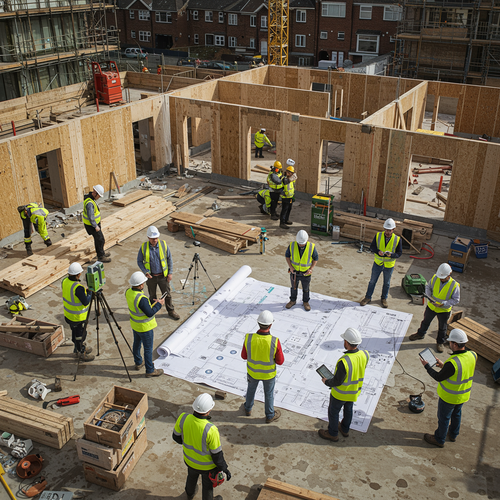


The UK construction sector is poised for significant growth, with an anticipated 1.6% expansion in 2025. This growth is largely driven by a surge in new orders and substantial investments across key areas such as infrastructure development, renewable energy projects, and the expansion of data centres. In this dynamic environment, the ability to accurately forecast future trends and challenges is not just beneficial, but absolutely essential for business success.
To capitalize on this growth and navigate potential obstacles, construction businesses must strategically adapt to several overarching trends. These include a strong focus on sustainability, which necessitates aligning with the UK’s Net Zero 2050 goals by selecting low-carbon materials and designing energy-efficient structures—a factor directly impacting project budgeting and scheduling. Embracing off-site construction methods to enhance efficiency and reduce waste is another key area. Furthermore, the integration of smart technology is crucial for improved project management, site safety, and operational efficiency. Lastly, addressing workforce challenges, such as the critical need for skilled labour, remains a paramount concern.
Forecasting is the cornerstone of effective strategy in construction. By anticipating market demands and assessing labour availability, firms can optimise resource allocation, ensuring the right people, materials, and equipment are available when needed. It also allows them to proactively mitigate risks from potential issues like supply chain disruptions and to anticipate market changes, such as price fluctuations and regulatory shifts.
The industry faces a significant labour shortage, with projections indicating a need for over 250,000 additional workers by 2028. Accurate forecasting empowers companies to plan for these gaps, invest in training, and develop robust recruitment strategies, thereby reducing risks from labour shortages.
Adopting advanced forecasting tools empowers construction companies to make more informed decisions, enhancing their competitiveness and resilience. These tools provide valuable insights into market dynamics, helping businesses to adapt quickly to a constantly evolving environment.
For construction businesses aiming to scale and thrive in 2025 and beyond, embedding sophisticated forecasting into their strategic planning is a critical step towards sustained growth and long-term success.
Reference: Insights derived from industry analysis of the UK construction sector.