
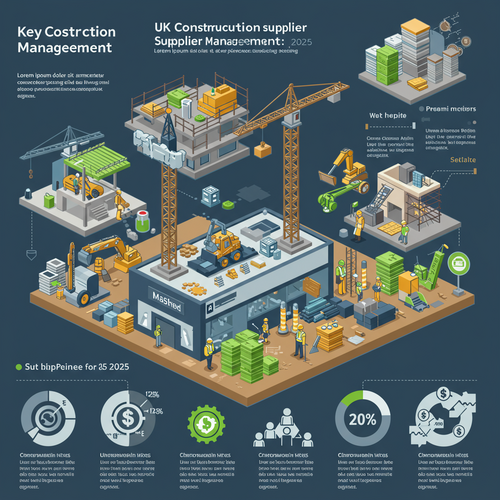


Transforming UK Construction: The Future of Supplier Management in 2025
The UK construction sector is on the brink of a significant evolution in how it manages suppliers. As we approach 2025, the industry is moving away from purely transactional relationships towards more outcome-based procurement models that champion sustainability and collaborative efforts.
Key Trends Shaping Supplier Management:
Recent industry reports highlight several pivotal trends driving this transformation:
Sustainability at the Forefront: Approximately 31% of construction contracts now incorporate specific sustainability targets. This reflects a growing demand from clients for greener building practices and a commitment to environmental responsibility.
Embracing Collaboration: To enhance supply chain resilience, 40% of contractors are adopting more collaborative procurement approaches. This fosters stronger relationships and a more robust supply chain network.
Increased Transparency: Clarity is becoming paramount, with 61% of tenders now clearly stating their evaluation criteria. This ensures fair, objective, and outcome-focused selection of suppliers, promoting trust and accountability.
Navigating Challenges and Building Resilience:
Firms are actively responding to ongoing challenges such as rising material costs, labor shortages, and inflation. The strategy involves diversifying supplier bases and establishing long-term partnerships. These measures are crucial for mitigating risks and ensuring project continuity in an unpredictable economic landscape.
The Role of Digital Transformation:
Digital advancements are playing a critical role in this shift. New tools and platforms are streamlining procurement processes, improving communication channels across the supply chain, and enhancing compliance documentation. This digital evolution is vital for efficiency and effective management.
Paving the Way for a Sustainable Future:
By aligning supplier management strategies with these emerging trends, construction firms can look forward to improved project outcomes, reduced risks, and significant progress towards their sustainability goals in 2025 and beyond.
Reference:
Based on recent industry reports.